

Technique
How hundreds of single exposures become one insect portrait that is sharp throughout.
- 40:1Magnification
- 0.00098 mmSmallest step size
- 12,000+Exposures for 5 s of 3D video
- 42 MPFull frame
Stacking
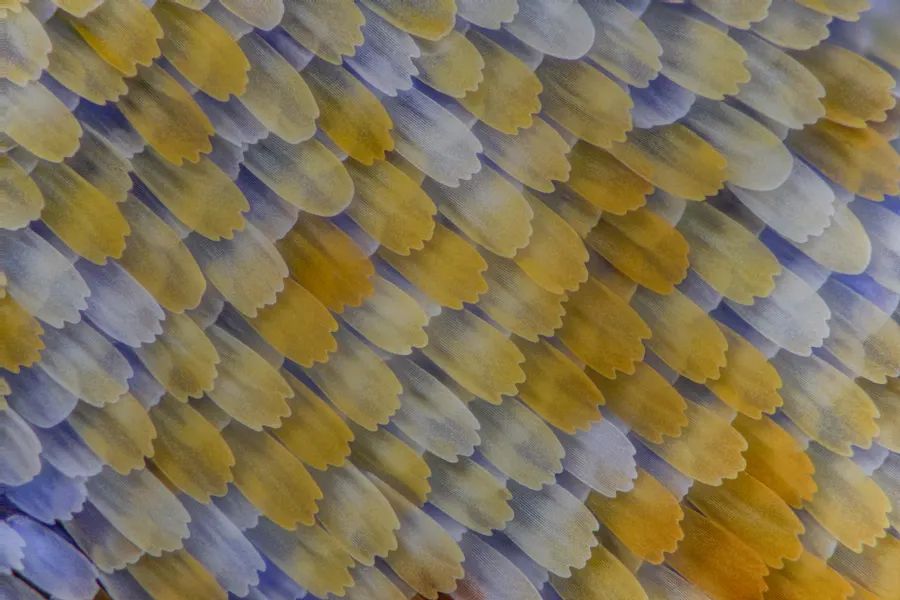
The technique behind extreme magnification differs greatly from “normal” photography. For optical reasons, depth of field decreases as magnification increases: the higher the magnification, the thinner the zone that is rendered sharp. In microscopy, the specimen is placed between two glass slides because the plane of focus is only as “thick” as the gap between them. Everything in front of and behind the slides is already out of focus.
To render a three-dimensional subject sharp at high magnification, the planes of focus must be photographed precisely one after another. They are often only a few micrometres thick. Special software then combines the sharp areas of often hundreds of single exposures into one image that is sharp throughout.
3D-Stacking
Repeating this process from precisely defined angles, each just a few tenths of a degree apart, produces a series of stacked images. Assembled into a video, they result in 3D macro sequences that are unique worldwide. A five-second video consists of more than 12,000 single exposures.
Optics and camera
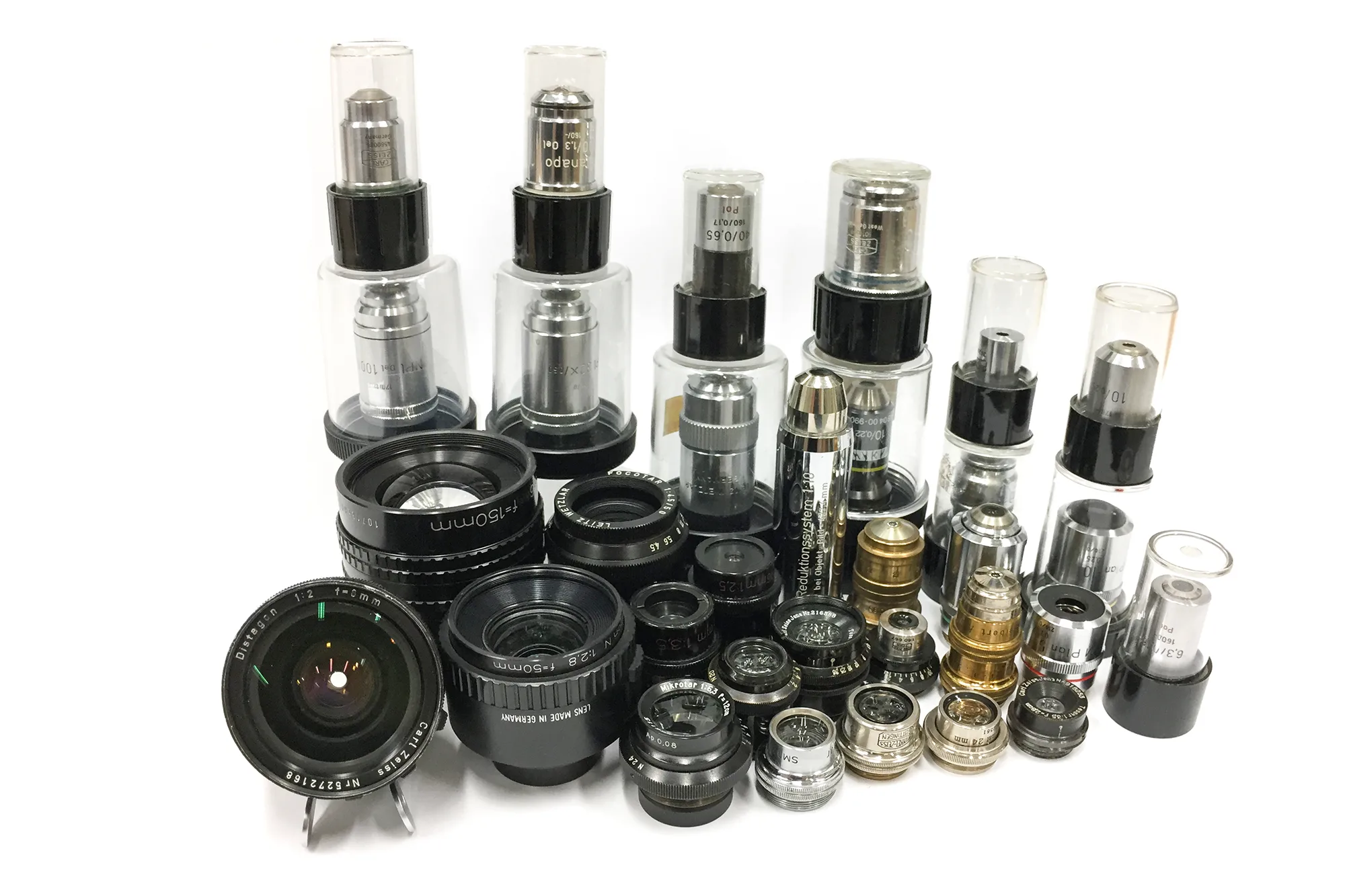
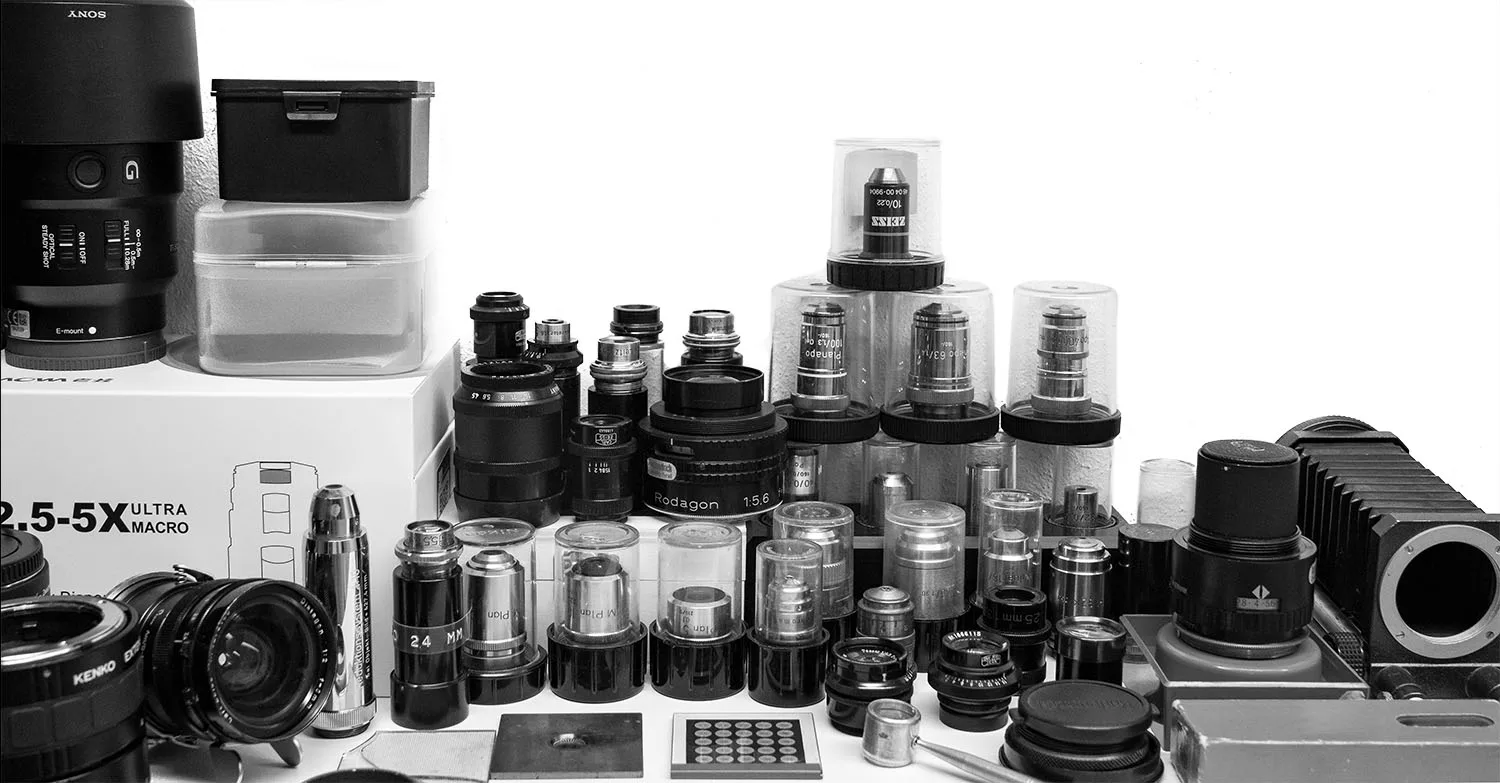
For my images I use a wide range of microscope optics, as well as enlarger lenses, close-up lenses and common macro lenses. Which optics I use depends on the subject and the magnification.
All images are taken with a 42-megapixel full-frame camera; currently a Sony α7R III. I am happy to answer questions about my equipment and will also try to answer other questions about macro photography. Please refrain from general questions that can easily be answered with a search engine. I am glad to help, but I do not offer workshops.
Insects
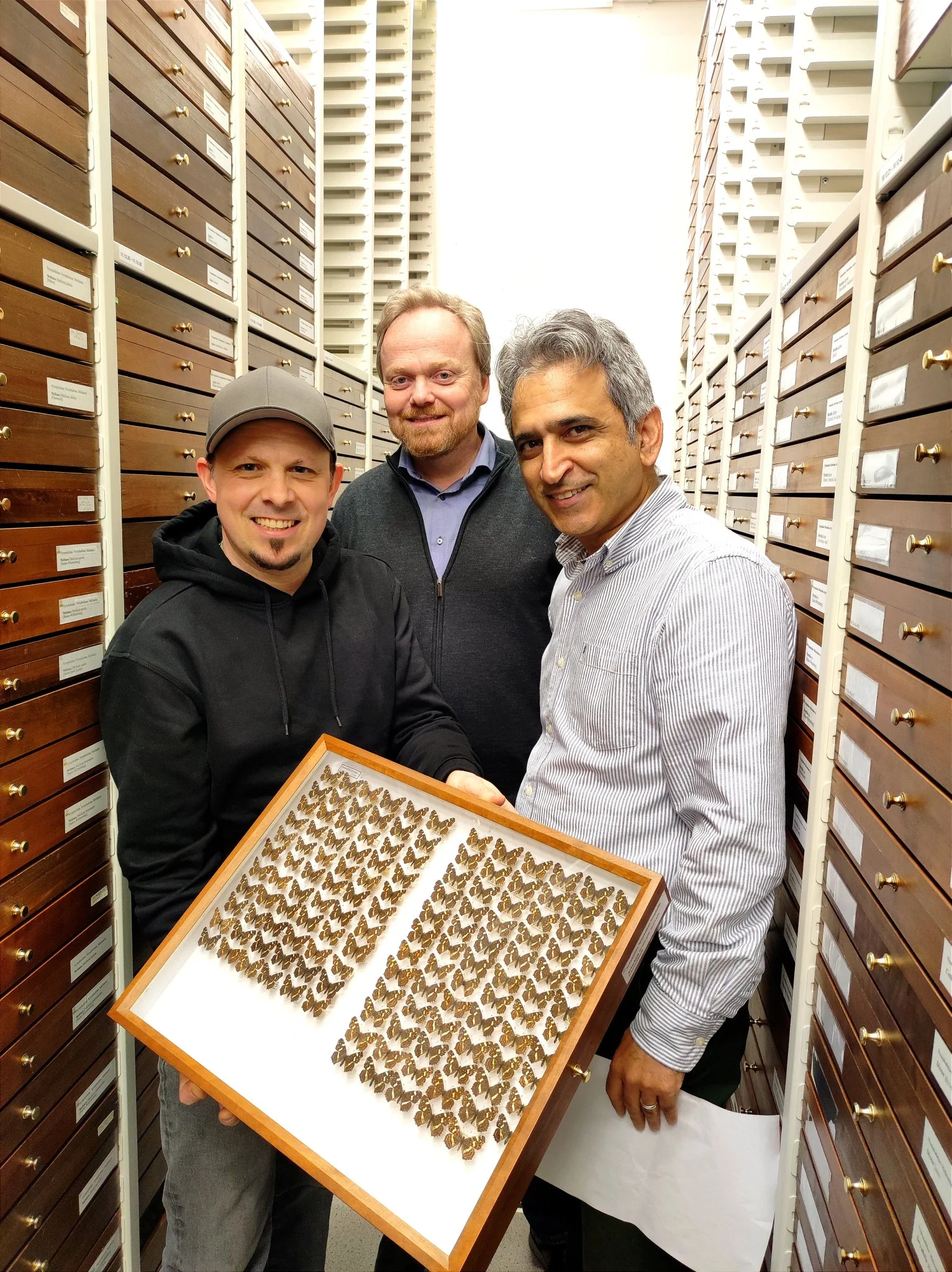
Even the best technique is of little use without the right subjects. Many of my images are created in close collaboration with the State Museum of Natural History Stuttgart – and I would like to take this opportunity to thank them wholeheartedly.
Special thanks go to Prof. Dr. Lars Krogmann and Dr. Hossein Rajaei. From the very beginning, both were enthusiastic about high-resolution macro images of native insects, and they have supported my work ever since with great trust, deep expertise and infectious curiosity.
With more than six million dry specimens, the Stuttgart collection holds an almost endless treasure trove of subjects. Drawer after drawer, beetles, moths, flies and wasps are waiting to reveal their hidden details – every visit to the archive is a small expedition into the microcosm for me.
Insect facts
Astonishing facts from the world of insects.